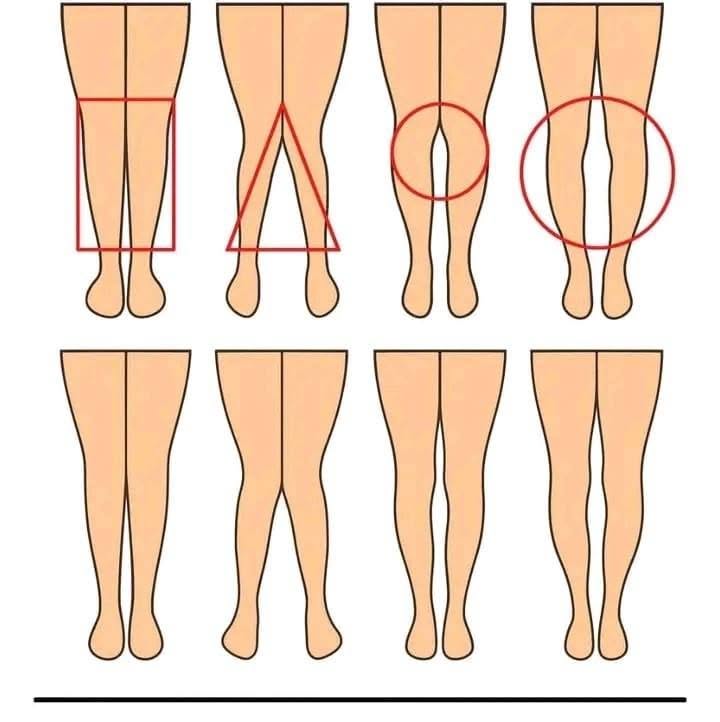

A WOM can reflect regular physical activity, particularly walking, running, cycling, orAN’S LEGS CAN TELL HOW HER IS
The appearance of a woman’s legs can sometimes provide clues about circulation, muscle strength, skin health, and overall physical condition, but legs cannot reliably reveal a person’s overall health by appearance alone.
1. Strong, Muscular Legs
Well-developed leg muscles can reflect regular physical activity, particularly walking, running, cycling, or resistance training.
Strong leg muscles are important for balance, mobility, and maintaining independence as we age.
2. Swollen Ankles or Legs
Swelling can have many causes, including prolonged sitting or standing, heat, certain medications, venous problems, and some heart, kidney, or liver conditions.
Persistent or unexplained swelling should be evaluated rather than assumed to be simply a sign of aging.
3. Visible Veins
Prominent veins can be completely normal, especially with aging, low body fat, heat, or exercise.
However, enlarged, twisted veins accompanied by aching, heaviness, or swelling may be varicose veins.
4. Skin Color Changes
Unusual paleness, bluish discoloration, or significant changes in the skin of the feet or legs can sometimes indicate circulation problems.
A sudden change accompanied by severe pain or coldness requires urgent medical attention.
5. Dry or Rough Skin
Dry skin on the legs is common and can result from weather, frequent bathing, harsh soaps, or simply aging.
Persistent itching, scaling, wounds, or major changes in skin texture may require medical assessment.
6. Slow-Healing Sores
A wound that repeatedly fails to heal can sometimes be associated with poor circulation, diabetes, infection, or other medical conditions.
Foot and leg wounds deserve particular attention in people with diabetes.
7. Leg Cramps
Occasional cramps are common and can follow exercise, prolonged activity, or dehydration.
Frequent or severe cramps can have many causes, including medications, nerve problems, circulation issues, and electrolyte abnormalities. They aren’t automatically caused by a vitamin or mineral deficiency.
8. Muscle Loss
Noticeable loss of muscle—particularly in older adults—can be associated with inactivity, inadequate nutrition, illness, or age-related muscle loss.
Regular resistance exercise and adequate protein can help support muscle maintenance.
9. Numbness or Tingling
Persistent numbness, burning, or tingling in the feet or legs can occur with nerve compression, diabetes-related neuropathy, vitamin deficiencies, or other neurological conditions.
A healthcare professional can help determine the cause.
10. Sudden One-Sided Changes
A leg that suddenly becomes swollen, painful, warm, or red needs prompt medical attention because these symptoms can occur with a blood clot.
If leg symptoms are accompanied by chest pain or sudden difficulty breathing, seek emergency medical care.
Bottom Line
Legs can provide clues, but they cannot tell you someone’s overall health simply by their appearance. Strength, swelling, skin changes, wounds, pain, and sensation can all provide useful information when considered alongside other symptoms and medical history.
Persistent or sudden changes are much more important than appearance alone.