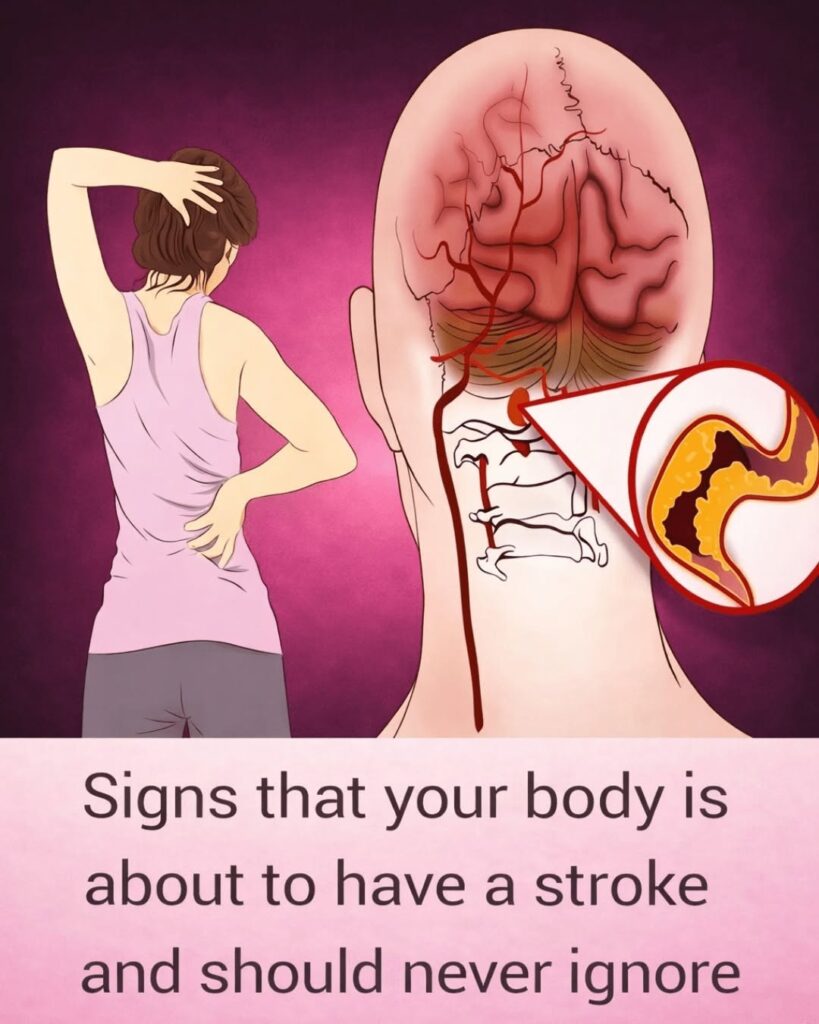

10 Early Warning Signs of a Stroke Everyone Should Know
A stroke is a medical emergency. Recognizing symptoms quickly and getting emergency treatment can reduce brain damage and disability. Symptoms usually begin suddenly, although they can occasionally develop over a longer period.
-
Sudden weakness or numbness — especially in the face, arm, or leg, particularly on one side of the body.
-
A drooping or uneven face — one side of the face may suddenly feel weak or appear to droop when smiling.
-
Sudden trouble speaking — speech may become slurred, confused, or difficult to produce.
-
Difficulty understanding speech — the person may suddenly have trouble understanding what others are saying.
-
Sudden vision problems — blurred, double, or lost vision in one or both eyes.
-
Sudden dizziness or loss of balance — especially when accompanied by other neurological symptoms.
-
Sudden difficulty walking or coordinating movements — stumbling, clumsiness, or inability to walk normally.
-
A sudden, severe headache — particularly a headache that is unusual for the person and occurs without an obvious cause.
-
Sudden confusion — abrupt difficulty thinking clearly, responding appropriately, or knowing where they are.
-
Sudden difficulty swallowing — choking or an unexpected inability to swallow normally can occur with some strokes.
Remember FAST
F — Face: Ask the person to smile. Does one side droop?
A — Arms: Ask them to raise both arms. Does one drift downward?
S — Speech: Ask them to repeat a simple sentence. Is their speech strange or slurred?
T — Time: Call emergency medical services immediately if any of these signs appear.
Even if the symptoms disappear after a few minutes, urgent medical assessment is still important because this could be a transient ischemic attack (TIA), sometimes called a “mini-stroke,” which can precede a major stroke.
Don’t wait to see whether symptoms improve, and don’t drive the person yourself if emergency medical services are available. Note the time the symptoms started (or the last time the person was known to be well), because this information can affect treatment decisions.