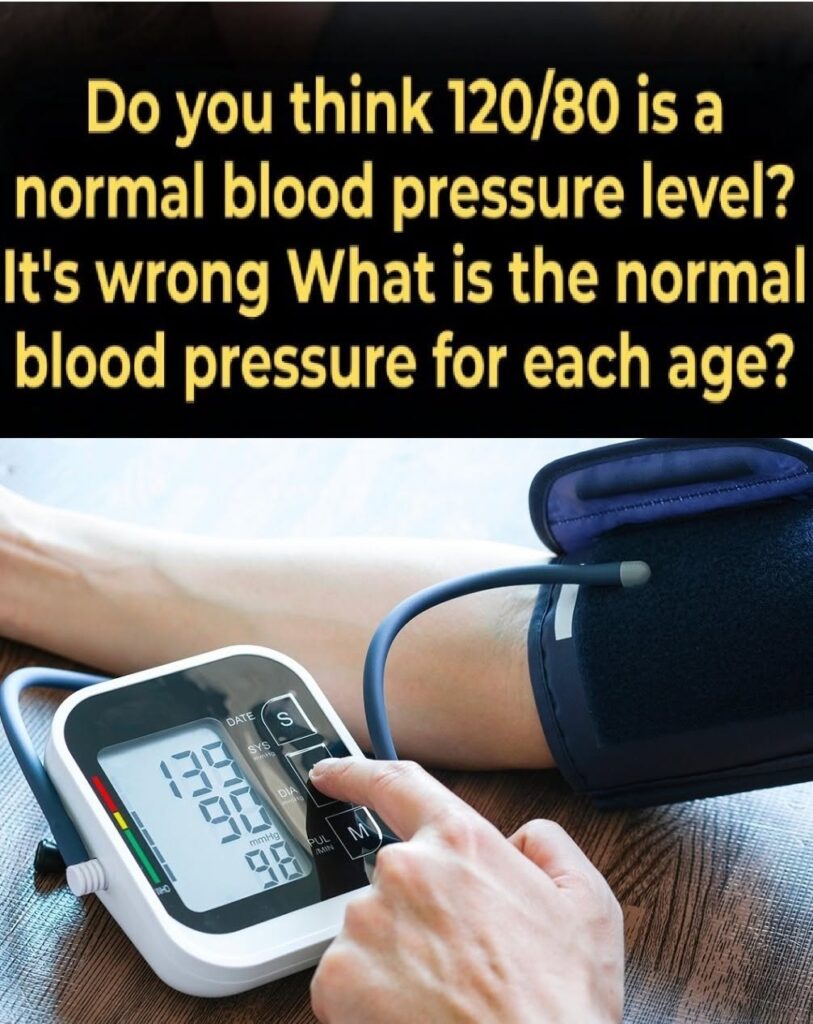

What Is the Normal Blood Pressure for Each Age?
Blood pressure naturally changes throughout life, but there is not one specific “normal” blood pressure for every age. For adults, doctors generally use the same blood-pressure categories rather than assigning a separate normal number to each decade.
General Adult Blood Pressure Guide
- Normal: Less than 120/80 mmHg
- Elevated: 120–129 systolic and less than 80 diastolic
- High blood pressure, Stage 1: 130–139 systolic or 80–89 diastolic
- High blood pressure, Stage 2: 140 or higher systolic or 90 or higher diastolic
- Severely high: Higher than 180 systolic and/or 120 diastolic, especially when accompanied by concerning symptoms
What About Older Adults?
It is common for blood pressure to increase with age because arteries become less flexible. However, high blood pressure should not simply be considered normal because someone is older.
For adults over 60 or 65, the appropriate treatment target can depend on overall health, medications, frailty, other medical conditions, and the person’s individual circumstances.
Children and Teenagers Are Different
For children and adolescents, blood-pressure interpretation depends on age, sex, and height, so adult numbers should not simply be applied to them.
One Reading Doesn’t Tell the Whole Story
Blood pressure can temporarily rise because of stress, exercise, caffeine, pain, illness, or even talking during the measurement. For a more useful reading, sit quietly for several minutes, keep your feet supported, and use a properly sized cuff.
If readings are repeatedly elevated, discuss them with a healthcare professional rather than relying on a single measurement.
When Is It an Emergency?
A reading above 180/120 mmHg requires prompt attention. If it occurs with chest pain, severe shortness of breath, weakness or numbness, vision changes, severe headache, confusion, or difficulty speaking, seek emergency medical care immediately.
Bottom line: For most adults, below 120/80 mmHg is considered normal, but there is no separate “ideal” number for every age. Blood-pressure goals should be individualized, especially for older adults and people with other health conditions.