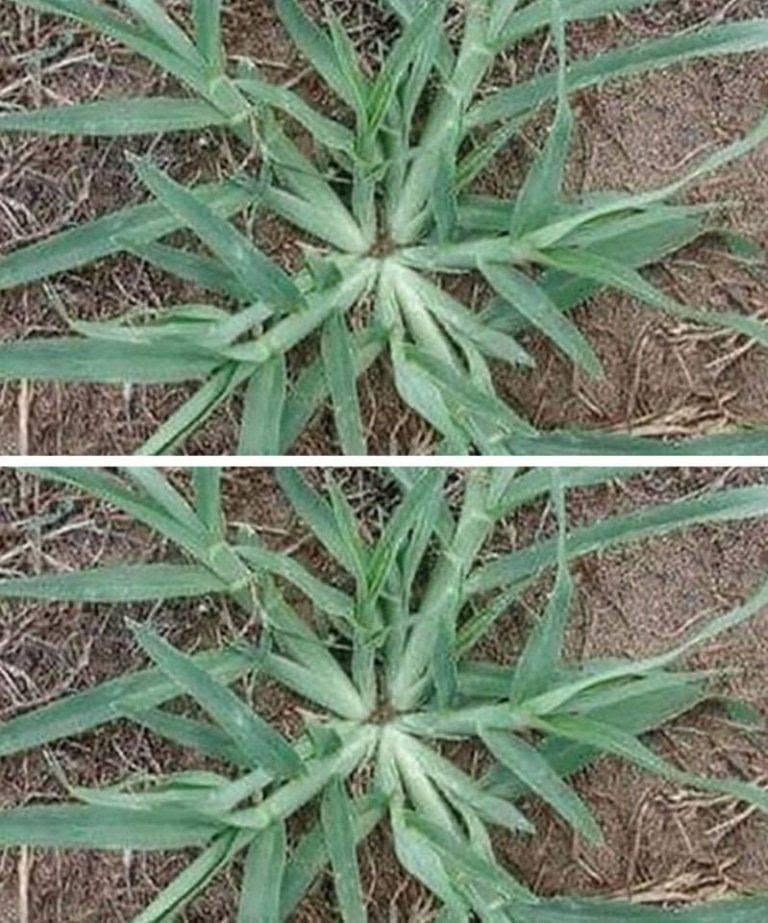

Never Uproot This Plant If It Appears in Your Garden
Not every plant that appears unexpectedly in a garden is a weed. Some wild plants can provide food for pollinators, improve soil cover, or even be useful in traditional gardening. However, you should identify an unfamiliar plant before deciding whether to remove it.
It May Be Providing Benefits
Certain volunteer plants can offer nectar and pollen for bees, butterflies, and other beneficial insects. Others can provide ground cover that helps reduce exposed soil and erosion.
Some Wild Plants Are Edible
Plants such as purslane, dandelion, and chickweed are edible when correctly identified and grown away from pesticides, roadsides, and contaminated areas. But never eat an unfamiliar plant based only on its appearance.
It Could Also Be Invasive or Harmful
Some plants spread rapidly, compete with garden crops, or can irritate the skin. A few species are poisonous if eaten. This is why the advice to “never uproot” a plant should not be applied to every volunteer plant.
Before Removing an Unknown Plant
Take a clear photo of its leaves, flowers, stem, and overall shape and identify the species using a reliable gardening or botanical resource. Check whether it is native, invasive, edible, toxic, or beneficial to local wildlife.
If it is growing near vegetables or other plants you want to protect, consider whether it is competing for water, light, or nutrients.
Bottom line: An unexpected plant may be valuable, but there is no single plant that should never be removed from every garden. Identify it first, then decide whether it belongs in your particular garden.