
Vitamin E and Stroke Risk: What Seniors Should Know
Vitamin E is an important nutrient found naturally in foods such as nuts, seeds, and vegetable oils. However, high-dose vitamin E supplements are different from getting vitamin E through a normal diet.
1. High-Dose Supplements May Affect Bleeding
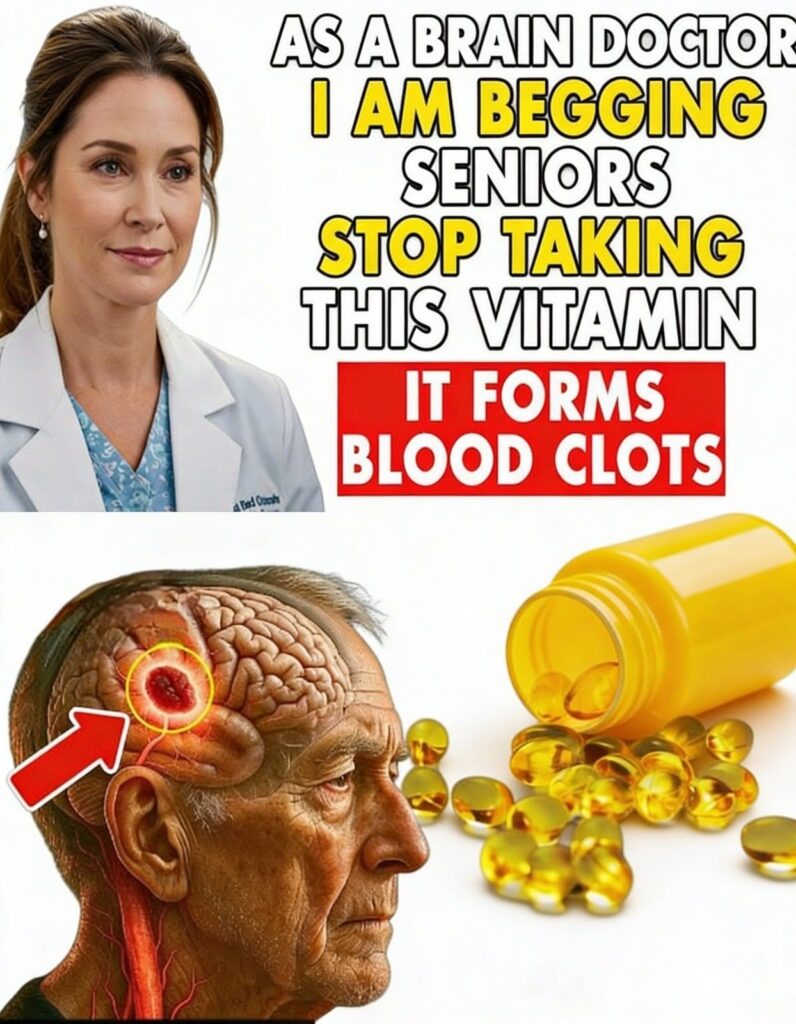
High doses of supplemental vitamin E can interfere with blood clotting and may increase bleeding risk. The NIH notes that some clinical trials have reported an increased risk of hemorrhagic stroke, which occurs when a blood vessel in the brain bleeds.
2. The Evidence Is Not as Simple as the Headline Suggests
A previous meta-analysis of randomized trials found a higher risk of hemorrhagic stroke with vitamin E supplementation, while another larger systematic review found that the evidence was not strong enough to establish a definite increase.
This means vitamin E should not be described as something that suddenly causes a stroke after one dose.
3. Food Sources Are Different
Vitamin E naturally present in foods has not been shown to carry the same concern as high-dose supplements. A balanced diet is generally the preferred way to obtain nutrients unless a healthcare professional recommends supplementation.
4. Be Careful With Blood-Thinning Medicines
Because high-dose vitamin E can affect bleeding, people taking medicines that reduce blood clotting should discuss vitamin E supplements with their doctor or pharmacist before using them.
5. Don’t Assume More Vitamin E Is Better
Vitamin supplements are not automatically safer or more beneficial at higher doses. Taking a supplement without a specific reason can expose someone to unnecessary risks.
6. Seniors Should Review Supplements Regularly
Older adults may take several prescription medicines and supplements at the same time. During a medication review, tell the healthcare professional about every vitamin, supplement, and over-the-counter product being used.
When to Get Emergency Help
Sudden facial weakness, weakness or numbness on one side of the body, difficulty speaking, sudden vision problems, severe loss of balance, or a sudden severe headache can be signs of stroke. These symptoms require immediate emergency medical attention.
Bottom Line
Vitamin E is an essential nutrient, but high-dose vitamin E supplements should not be taken casually. Evidence about stroke risk is mixed, although some research has raised concerns about hemorrhagic stroke and bleeding. Getting vitamin E from food is different from taking concentrated supplements. If you are considering a vitamin E supplement, particularly while taking medication, discuss the dose and need with a healthcare professional.