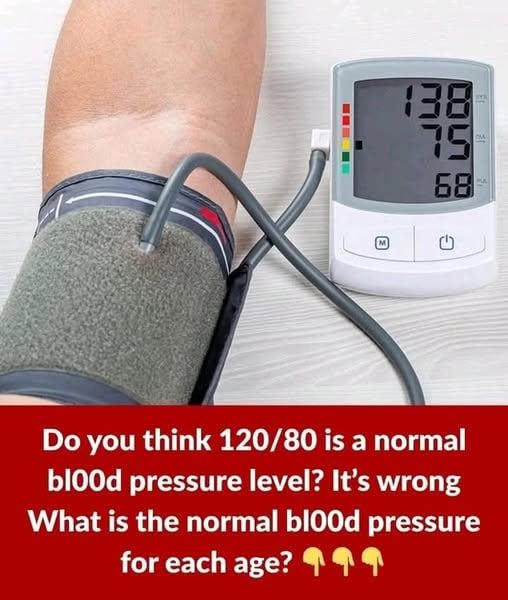

What Is the Normal Blood Pressure for Each Age?
Many people believe that normal blood pressure should gradually become higher as they get older. However, for adults, current blood-pressure guidelines do not define a different normal range for each decade of life. The same adult categories are generally used for younger adults, middle-aged adults, and older adults.
Adult Blood Pressure Categories
| Blood Pressure | Category |
|---|---|
| Below 120/80 mm Hg | Normal |
| 120–129 and below 80 | Elevated |
| 130–139 or 80–89 | Stage 1 hypertension |
| 140 or higher or 90 or higher | Stage 2 hypertension |
| Above 180 and/or above 120 | Severe hypertension |
The top number is the systolic pressure, measured when the heart contracts. The bottom number is the diastolic pressure, measured when the heart relaxes between beats.
Ages 18–39
For adults in this age group, a reading below 120/80 mm Hg falls within the normal category. A reading that repeatedly reaches 130/80 or higher falls into a high-blood-pressure category under current U.S. guidelines.
Ages 40–59
The same adult categories apply. Being in your 40s or 50s does not mean that a higher blood pressure automatically becomes “normal.” Persistent readings of 130/80 mm Hg or higher should be discussed with a healthcare professional.
Ages 60–79
Older age does not create a special normal range in the adult classification system. A reading below 120/80 remains in the normal category, while repeated higher readings are evaluated according to the same categories, along with the person’s overall health and medical history.
Age 80 and Older
People in their 80s and beyond still need their blood pressure evaluated individually. Doctors may consider other health conditions, medications, falls, kidney function, and overall health when deciding on treatment goals.
This is different from saying that high blood pressure is automatically normal because someone is older.
What About Children and Teenagers?
Children and teenagers are different. Blood-pressure assessment in younger people takes age, sex, and height into account rather than simply applying the adult chart. A healthcare professional should interpret a child’s or teenager’s reading using the appropriate pediatric standards.
One Reading Doesn’t Tell the Whole Story
Blood pressure naturally changes throughout the day. Stress, caffeine, exercise, illness, talking during the measurement, and even how you are sitting can affect a reading.
For a more reliable home measurement, sit quietly for about five minutes, keep your back supported and feet flat on the floor, support your arm at chest level, and don’t talk during the measurement. Taking two readings about 1–2 minutes apart can provide a better picture.
When Blood Pressure Is Very High
A reading above 180 systolic and/or above 120 diastolic is considered severe. If a repeat measurement remains that high, contact a healthcare professional promptly.
If a very high reading occurs together with symptoms such as chest pain, shortness of breath, weakness or numbness, vision changes, severe headache, or difficulty speaking, seek emergency medical care.
The Bottom Line
There is no single blood-pressure number that is considered “normal for age” throughout adulthood. For adults, below 120/80 mm Hg is generally classified as normal, regardless of whether someone is 30, 50, 70, or 80. Individual treatment goals can differ depending on a person’s health and circumstances.