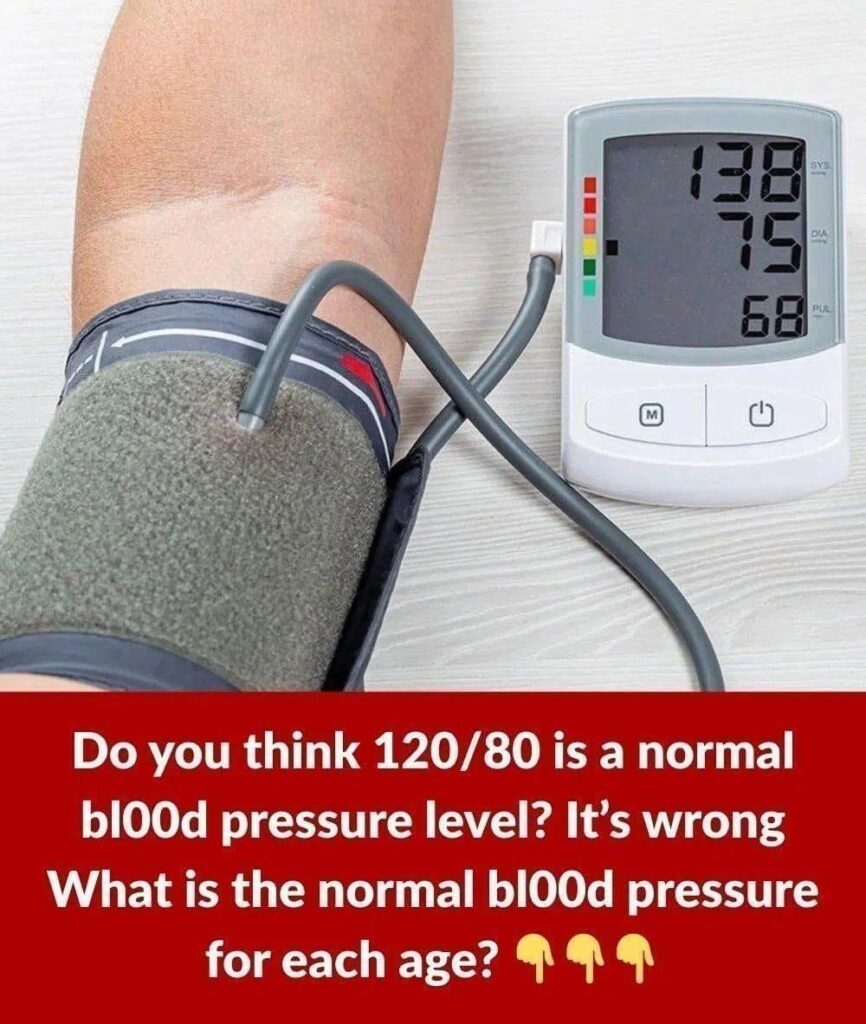

What Is the Normal Blood Pressure for Each Age?
Blood pressure naturally changes throughout life, but there is an important misconception about age: adults do not have a completely different “normal” blood-pressure range for every decade.
For adults, current guidelines generally use the same blood-pressure categories whether someone is 25, 45, 65, or older.
Understanding the Two Numbers
A blood-pressure reading has two numbers:
- Systolic pressure: the top number, measuring pressure when the heart beats.
- Diastolic pressure: the bottom number, measuring pressure while the heart rests between beats.
For example, a reading of 118/76 mm Hg means a systolic pressure of 118 and a diastolic pressure of 76.
Adult Blood Pressure Categories
| Category | Systolic | Diastolic |
|---|---|---|
| Normal | Less than 120 | Less than 80 |
| Elevated | 120–129 | Less than 80 |
| Stage 1 hypertension | 130–139 | 80–89 |
| Stage 2 hypertension | 140 or higher | 90 or higher |
| Severe hypertension | Higher than 180 | and/or higher than 120 |
A reading is generally placed in the higher category when the top and bottom numbers fall into different categories.
What About Different Ages?
Ages 18–39
A blood pressure below 120/80 mm Hg is considered normal for adults. A younger age does not make consistently high blood pressure harmless.
Ages 40–59
The same adult categories apply. A reading of 130/80 or higher can fall into a hypertension category and should be discussed with a healthcare professional when it is persistent.
Ages 60–79
Older age does not automatically make high blood pressure “normal.” Treatment goals can be individualized depending on overall health, other conditions, medications, and the person’s circumstances.
Age 80 and Older
Blood pressure management may require additional individualization in very old adults, particularly when there are other medical conditions, frailty, or concerns about dizziness and falls. The appropriate target should be determined with a healthcare professional rather than using age alone.
One Reading Is Not Enough
Blood pressure can temporarily rise because of stress, physical activity, caffeine, pain, illness, or anxiety.
If you get an unexpectedly high reading at home, sit quietly and repeat the measurement. Keeping a record of repeated readings can give a healthcare professional a much better picture than relying on one measurement.
For a more reliable measurement, sit with your back supported, keep both feet flat on the floor, and support your arm at heart level while remaining quiet and still.
When Blood Pressure Is Very High
If your blood pressure is higher than 180/120 mm Hg, wait at least one minute and measure it again.
If it remains that high, contact a healthcare professional promptly. If it is accompanied by symptoms such as chest pain, shortness of breath, weakness, numbness, vision changes, or difficulty speaking, emergency medical attention is needed.
Bottom Line
There is no separate “perfect” blood-pressure number for every adult age. For adults, less than 120/80 mm Hg is considered normal, while consistently higher readings may fall into elevated or hypertension categories.
Age is only one part of the picture. Your repeated blood-pressure readings, overall health, medications, and other medical conditions all matter when determining what blood-pressure level is appropriate for you.